Latest News
On-Grid Energy Solutions
Reliable power, directly from the grid—with backup and smart control integrated.
What is On-Grid Energy?
An on-grid energy system is connected to the utility grid while also incorporating renewable sources (like solar), allowing you to draw power from the grid when needed and feed excess energy back. Ideal for urban homes, offices, and businesses seeking efficiency, lower bills, and backup support.
Key Components
Solar Panels
High-efficiency modules converting sunlight into electricity to reduce grid dependence.
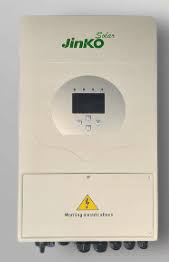
Grid-Tie / Hybrid Inverter
Manages two-way power: draw from grid when solar is insufficient, send excess solar to the grid.
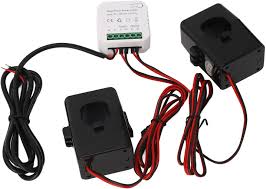
Smart Metering & Monitoring
Track your consumption and production in real-time to optimize energy usage.
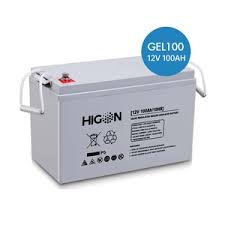
Battery Backup (Optional)
Stores excess energy so you have power during grid outages or peak-tariff times.
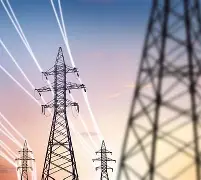
Utility Grid
Connected infrastructure ensuring availability and stability, plus option to sell back energy.
Why Go On-Grid?
Regulated & Reliable Supply
Consistent electricity with grid backup and stable tariff structure.
Lower Energy Costs
Net-metering or feed-in tariffs let you earn credit or income from surplus energy.
Greener Footprint
Reduced carbon emissions by integrating renewables, less reliance on fossil-fuel generation.
Flexibility & Backup
With battery storage or hybrid systems, you have power during grid outages.
Who Benefits Most?
Urban Homes
Residential households wanting to reduce utility bills and benefit from solar rebates or incentives.
Commercial Offices
Businesses with high daytime load can use solar plus grid to cut peak charges.
Apartment Buildings / Condominiums
Shared solar-and-grid energy models to serve multiple units, reducing total community cost.
Schools & Hospitals
Critical loads require high uptime; grid plus renewables provide both reliability and sustainability.
Frequently Asked Questions
Do I need battery storage with an on-grid system?
Not always. If net-metering or feed-in is allowed, you may rely primarily on solar and grid, using battery only for backup power during outages or peak times.
What happens if the grid is down?
If you have only a grid-tie inverter without battery, the system shuts down for safety. With hybrid inverter & battery backup, you can maintain power for essential loads.
Can I sell my excess energy?
Depends on local regulations. Many regions allow feed-in tariffs or net-metering, enabling you to earn credits or income from excess solar energy sent back to the grid.
How to size the system?
Sizing depends on your average daytime load, peak demand, solar insolation, and whether you want battery backup. A professional load assessment is essential.
For more FQAs Click here
How Off-Grid Systems Works
1
Solar Energy Capture
Solar panels generate DC electricity from the sun.
2
Conversion
A grid-tie inverter converts DC into AC for home or office use.
3
Usage
Electricity powers your appliances and reduces grid consumption.
4
Excess to Grid
Surplus energy is fed back into the utility grid for credits.
Pricing & Packages
| Package | Capacity | Price (USD / Local Currency) |
|---|---|---|
| Basic Grid-Assist | 2 kW Solar + Grid Feed-in | ≈ ₦1,200,000 |
| Standard Hybrid | 5 kW Solar + 10 kWh Battery + Grid | ≈ ₦2,800,000 |
| Advanced Full Hybrid | 10 kW Solar + 20 kWh Battery + Grid+ | ≈ ₦5,500,000 |
Please Contact Us for custom quotes or specialized systems and for current Prices
Testimonials
"Switching to an on-grid solar-hybrid system cut our energy bills by 40%, and with feed-in credits the return was faster than we expected."
"Our home now feeds power back during sunny days; we draw from grid at night. The alternation is seamless."
Saved 40% on electricity bills within the first year of installation.
Reduced operating costs by integrating 200kW On-Grid Solar.
Powering classrooms sustainably with a 50kW on-grid solar setup.